Section Markets
Europe’s late-May oil stress sits between opaque commercial stocks and distillate books that still look tight
Brussels can count strategic barrels and model floating crude roofs, but diesel, jet, and gasoline in private tanks stay partly invisible under competition rules—while a mid-May analytical pass still describes unresolved middle-distillate deficits west of Suez even when prompt paper softens.
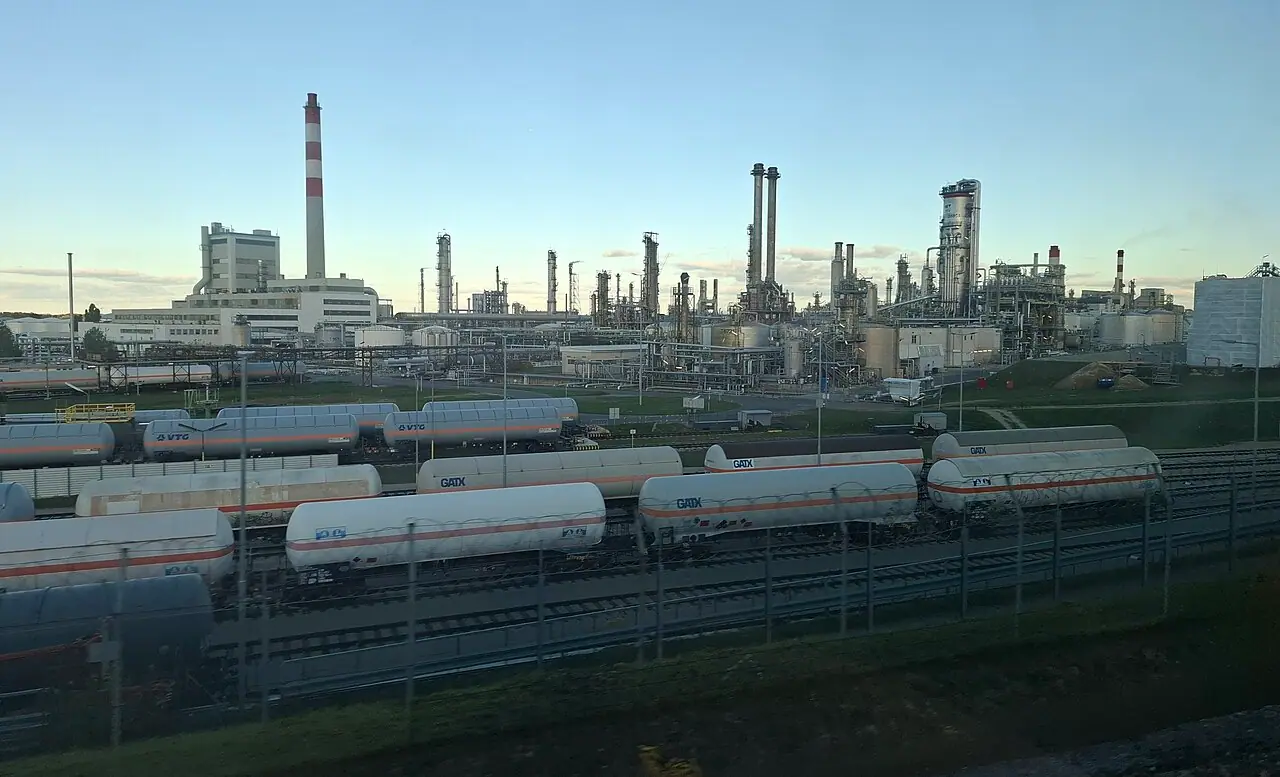
European fuel security in the final fortnight of May 2026 is less a single inventory print than a timing collision: governments can see a slice of strategic and floating crude, logistics executives publicly warn their visibility into commercial commitments fades after June, and commodity desks still treat west-of-Suez middle distillates as carrying structural deficits even when prompt structures ease.
That combination explains why physical traders can price a pinch while headline “days of cover” statistics still look legalistic: most day-to-day buffer lives in private tanks, airport hydrant systems, and coastal tanker fleets that national statistics services update slowly and incompletely.
Brussels counts what it is allowed to see—and admits the rest is patchy
High-level reporting from the EU capital in spring 2026 describes energy ministries and Commission services struggling to assemble a contemporaneous map of diesel, jet fuel, and gasoline outside government-controlled emergency stocks. Ministers from Belgium, the Netherlands, and Spain are on record urging tighter coordination and faster monitoring of refined products; one Greek intervention reportedly pushed for encrypted messaging channels between capitals and the Berlaymont so sensitive stock reads do not move on open chats.
The European Commission has floated a Fuel Observatory concept—still early in design—to track production, imports, exports, and transport-fuel stocks bloc-wide, an implicit concession that Eurostat’s periodic tables and national returns cannot answer operational questions on a trader’s clock.
Parallel policy reporting quotes European Commission President Ursula von der Leyen tying the Iran conflict to roughly €500 million per day in extra EU energy costs, a political magnitude readers should treat as a Commission-stage estimate rather than a line-item audit. Logistics chief executive Tobias Meyer of DHL Group, speaking at a Brussels press breakfast the same reporting cycle dates to early May, said the company sees commitments “into May and June” but called anything beyond that hard to forecast—language that captures how even sophisticated freight buyers hit the same visibility wall as smaller distributors.
Distillate economics: prompt noise versus summer pull
A 13 May 2026 analytical note on global refined-product balances devotes a full middle-distillate section to Europe. It describes prompt selling eroding backwardation and premiums in the very near term while still flagging unresolved structural deficits—language that matches how refiners experience the market: cash margins can wobble week-to-week even when import queues for gasoil components stay long.
The same note ties regional tightness to low inventories, constrained Middle Eastern flows, and lingering uncertainty over Strait of Hormuz transits—variables that do not reset cleanly when a single diplomatic headline lands. Translating that into operations: northwest European and Mediterranean plants remain one unplanned outage or one delayed Aframax away from bidding harder for U.S. Gulf, west African, or trans-Atlantic barrels that Asian buyers are also trying to index for summer builds.
None of that automatically equals retail rationing by month-end; it does mean the error band around “comfortable” is narrower than emergency-stock rhetoric alone suggests.
After the April coordination rhythm, filings—not vibes—move first
The Commission’s oil-and-gas coordination groups met through late April 2026 with readouts framed as stock-taking rather than line-by-line publication of each member state’s commercial tank tables. That format respects long-standing competition sensitivities but leaves journalists, charterers, and independent retailers inferring conditions from differentials, lead times, and import-programme tweaks instead of a single dashboard.
International Energy Agency oil-market reporting referenced in the same policy reporting wave already placed European oil inventories below year-earlier levels heading into the spring disruption window, with fresher monthly statistics arriving on publication lag. The gap between backward-looking official series and forward physical nomination data is exactly where “potential shortage” language keeps resurfacing in broker chatter even when headline stocks are not literally empty.
For readers tracking the next fortnight without a paid terminal: watch diesel and jet differentials into Amsterdam–Rotterdam–Antwerp, nomination counts on US Gulf and west African liftings, and any further coordinated or national stock releases that change wet-barrel availability before the next lagged Eurostat comprehensive drop lands.
Geography and themes
Related places and recurring themes for this story.
- Netherlands
- Germany
- Energy
- Commodities
Suggested reading
Other stories that pair well with this one—often from the same section or on overlapping themes.
‘Lack of understanding’: India answers Dutch press-freedom questions during Modi’s Hague visit
Secretary (West) Sibi George told reporters some trade headlines shortened his reply as a lack of knowledge; on the ministry transcript he faulted a lack of understanding of India while defending pluralism, turnout, and minority population trends during Narendra Modi’s Netherlands stop.
When coverage says SAP is an “AI company,” Sapphire 2026 is the receipt
A Forbes column dated 17 May 2026—“SAP Says It Is An AI Company”—captures how CEO Christian Klein is framing the Walldorf giant’s pivot; SAP’s own 12 May 2026 Sapphire press materials spell out what that means in product terms: a unified SAP Business AI Platform, SAP Autonomous Suite, Joule Work, and expanded model and cloud partnerships including Anthropic.
Germany braces as U.S. plans 5,000-troop cut after public clash with Trump over Iran
Berlin says a large American footprint stays in its interest, but officials treated a drawdown as foreseeable after alliance friction over the Middle East fight and transatlantic messaging.
Chancellor Merz and President Trump hold 'reconciliatory' phone call after weeks of friction
The two leaders seek to move past a diplomatic rift over Iran and troop withdrawals, coordinating positions ahead of the NATO summit in Ankara.
Günther Maria Halmer, star of 'Münchner Geschichten,' dies at 83
The prolific German actor, known for his roles in over 180 productions, passed away in Munich following a battle with cancer.
Strategy adds about $2 billion of Bitcoin in a week; treasury reaches 843,738 BTC above latest IBIT tally
An SEC-backed disclosure window ending mid-May shows another preferred-and-common equity raise funding 24,869 coins at roughly $80,985 apiece; independent ETF trackers still put BlackRock’s iShares sleeve materially lower, though the two are different animals legally.
Bitcoin falls toward $76,000 after Trump issues fresh Iran threat
Truth Social warnings landed alongside another heavy week for U.S. spot crypto ETFs; CoinShares flow math and BBC-sourced diplomacy reporting give two different lenses on why risk assets wobbled.
Indian banks nudge fixed-deposit yields higher even with the RBI’s policy rate on pause
Mid-May 2026 rate cards show several large private lenders refreshing select tenures on the same calendar dates while small finance banks still print the headline peaks near eight per cent—competition for stable rupee funding, not a fresh repo hike, is doing most of the work.
Indonesian rupiah prints a fresh record weak spot against the US dollar
Spot desks in Jakarta logged the currency through the Rp17,500 handle on 12 May 2026 as Hormuz-linked risk sentiment lifted the greenback—leaving import-heavy corporates and budget planners far above the state-budget exchange-rate assumption.
NVIDIA sets 20 May 2026 call for fiscal Q1 2027 results as NVDA trades near record levels into the print
The Santa Clara company will publish numbers for the quarter ended 26 April 2026, then hold a 2:00 p.m. PT analyst call; desks are pricing gap risk around data-center revenue, Blackwell-class ramps, and forward guidance.
Keep exploring
Browse the full archive or return to the front page.
Sources and external links
Sources and filings our editors consulted to verify this story. External links open in a new tab.