Section Politics
Barney Frank Dies at 86, LGBTQ Trailblazer
He came out in Congress in 1987, chaired Financial Services through the 2008 crash, and helped steer Dodd-Frank before retiring in 2013; his sister confirmed his death to NBC Boston.
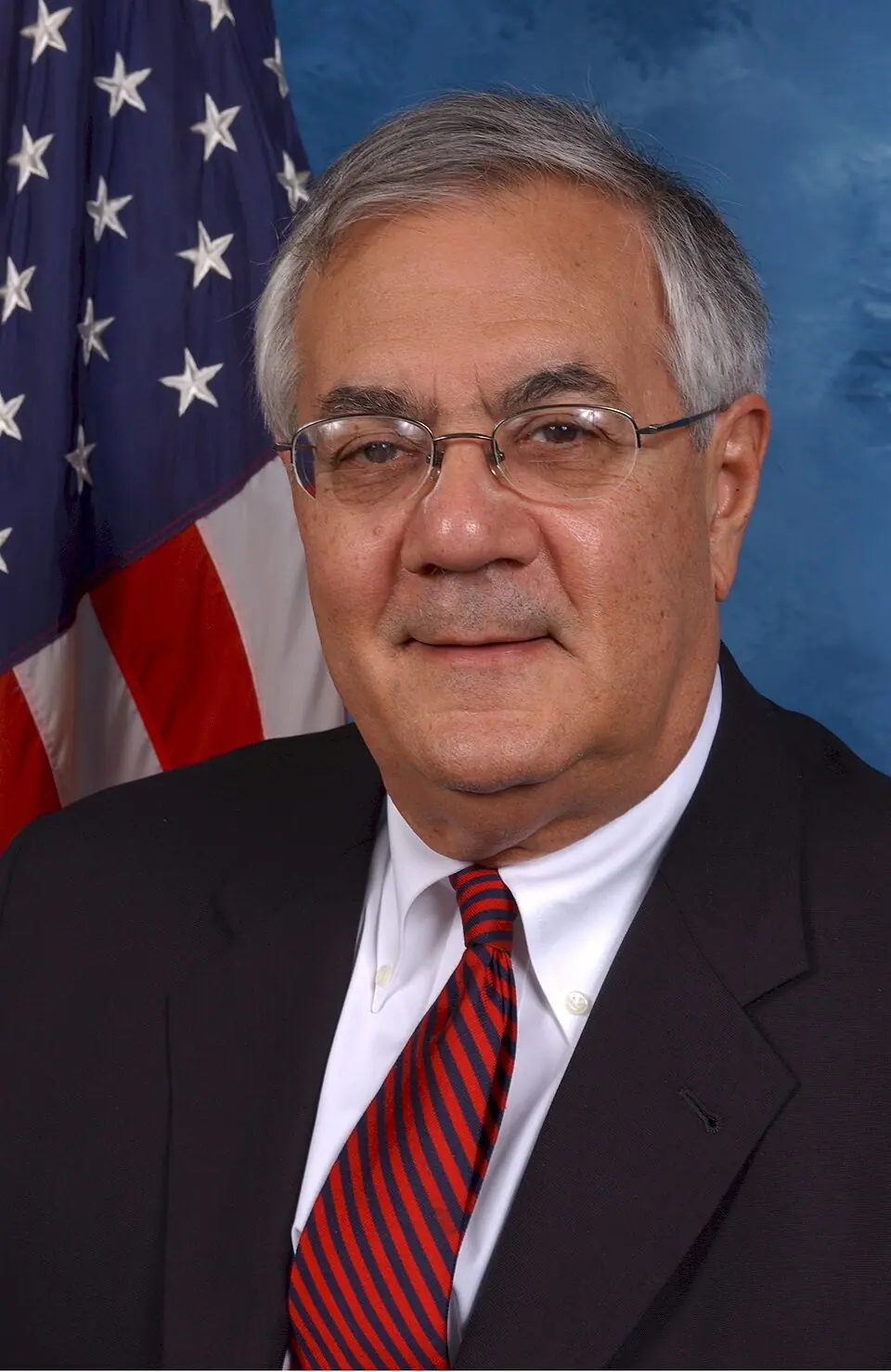
Former U.S. Representative Barney Frank, a Massachusetts Democrat who came out as gay while in office in 1987 and later chaired the House Financial Services Committee through the 2008 banking meltdown, died at 86. NBC News reported his death on May 20, 2026, citing confirmation from his sister, Doris Breay, to NBC Boston.
Frank spent 32 years in the House (1981–2013). He became a rare public face of LGBTQ leadership in Congress when few members were out, and of post-crash Wall Street rules as a lead negotiator on the legislation that became the Dodd-Frank Wall Street Reform and Consumer Protection Act of 2010. Those two threads made him one of the era's most recognizable committee chairs.
He had been receiving hospice care at his home in Ogunquit, Maine, for congestive heart failure. NBC Boston and the Boston Globe reported in late April 2026 that he had entered hospice there, giving public context before his death.
According to NBC News, Breay said, "He was, above all else, a wonderful brother. I was lucky to be his sister."
Banking panel and Dodd-Frank
When credit markets froze in 2008, Frank's committee became a steady venue for televised hearings and high-stakes bargaining. With then-Senator Christopher J. Dodd, Democrat of Connecticut, he advanced a package that created the Consumer Financial Protection Bureau, added powers to wind down failing firms, tightened derivatives transparency, and restricted some proprietary trading.
Supporters argued the law rebalanced power toward consumers and taxpayers after bank bailouts. Industry groups warned of compliance burdens and slower credit. Congressional records and contemporaneous coverage identify Frank as a lead House architect of Dodd-Frank.
Coming out, elections, and after the House
Frank's disclosure in 1987 came when almost no sitting members had done the same and many strategists still treated the subject as electorally lethal. He later faced a House reprimand tied to personal conduct, survived politically, and kept winning his district until he chose not to run again.
In 2012 he married Jim Ready; news accounts at the time widely framed the wedding as a milestone for same-sex relationships in Congress. He left office in January 2013.
He remained a frequent commentator on banking and Democratic strategy. Service on the board of Signature Bank drew attention when regulators seized the lender in 2023; Frank described his role as non-executive and said he was not involved in day-to-day operations. His hearing record and papers remain primary routes for readers tracing the House response to the crisis.
Geography and themes
Related places and recurring themes for this story.
- United States
- Politics
- Government
- LGBTQ
- Congress
Suggested reading
Other stories that pair well with this one—often from the same section or on overlapping themes.
Trump-Backed Gallrein Ousts Massie in Kentucky
Ed Gallrein, backed by Donald Trump, ousted libertarian-leaning Rep. Thomas Massie in Kentucky's May 19 GOP primary for the 4th District—the costliest House primary on record.
Wyden: DOJ May Halt Trump IRS Audits
Senate Finance Chair Ron Wyden warns reported Justice Department settlement language could halt IRS audits of older Trump-family returns; CNN, ABC, the Post, and CNBC describe overlapping terms tied to the tax-leak lawsuit.
Brookings-linked modelling puts U.S.-citizen kids touched by parental ICE detention near 145,000 since the surge
ProPublica’s unpacking of a May 2026 Brookings exercise walks through Census-informed imputation against ICE arrest streams—far above what federal forms capture when parents fear disclosing citizen children—while parallel academic trackers still document the detention-and-removal machinery in administrative data alone.
House Democrats assail Trump’s IRS deal and $1.78 billion Anti-Weaponization Fund as a patronage slush lane
Jamie Raskin calls the vehicle unconstitutional; Pramila Jayapal says the president is exercising ‘open corruption’ in plain sight—while the Justice Department frames the payout as redress for weaponization and lawfare and points to older settlement precedents.
Thomas Massie news: Trump-backed Gallrein leads late KY-4 poll; Massie denies ‘hush money’ claim before primary
With Kentucky’s Republican primary for the 4th District set for 19 May 2026, a Quantus Insights survey of likely GOP voters put Ed Gallrein narrowly ahead of incumbent Thomas Massie while Axios-tracked ad spending blew past typical House races; Massie and Representative Victoria Spartz separately denied former aide Cynthia West’s election-week allegation of a $5,000 silence payment tied to a Spartz office dispute.
White House clout meets House headwinds on the Senate's bipartisan housing package
After an 89–10 Senate vote on the 21st Century ROAD to Housing Act, leadership says the executive branch may need to lean on the House to adopt the upper chamber's text—while the president's own legislative sequencing and conservative policy fights complicate the path.
Chancellor Merz and President Trump hold 'reconciliatory' phone call after weeks of friction
The two leaders seek to move past a diplomatic rift over Iran and troop withdrawals, coordinating positions ahead of the NATO summit in Ankara.
Five key takeaways from President Trump's high-stakes China trip
From massive commodity purchases to the 'red lines' on technology, the Beijing summit of 2026 has reshaped the landscape of the world's most critical bilateral relationship.
US Border Patrol Chief Michael Banks resigns abruptly amid leadership exodus
The departure follows a string of high-profile exits within Trump administration immigration agencies as officials recalibrate deportation strategies.
Trump delays Iran strike after Gulf appeal
President Donald Trump said late on 18 May 2026 in Washington that he was postponing a U.S. military strike on Iran that had been scheduled for the following day after Qatar, Saudi Arabia, and the United Arab Emirates asked for time while diplomacy continued; he also told the armed forces to stay ready for a large-scale assault if talks fail.
Keep exploring
Browse the full archive or return to the front page.
Sources and external links
Sources and filings our editors consulted to verify this story. External links open in a new tab.
- The Boston Globe: Frank entered hospice in Maine (opens in a new tab)— The Boston Globe