Section Politics
US Border Patrol Chief Michael Banks resigns abruptly amid leadership exodus
The departure follows a string of high-profile exits within Trump administration immigration agencies as officials recalibrate deportation strategies.
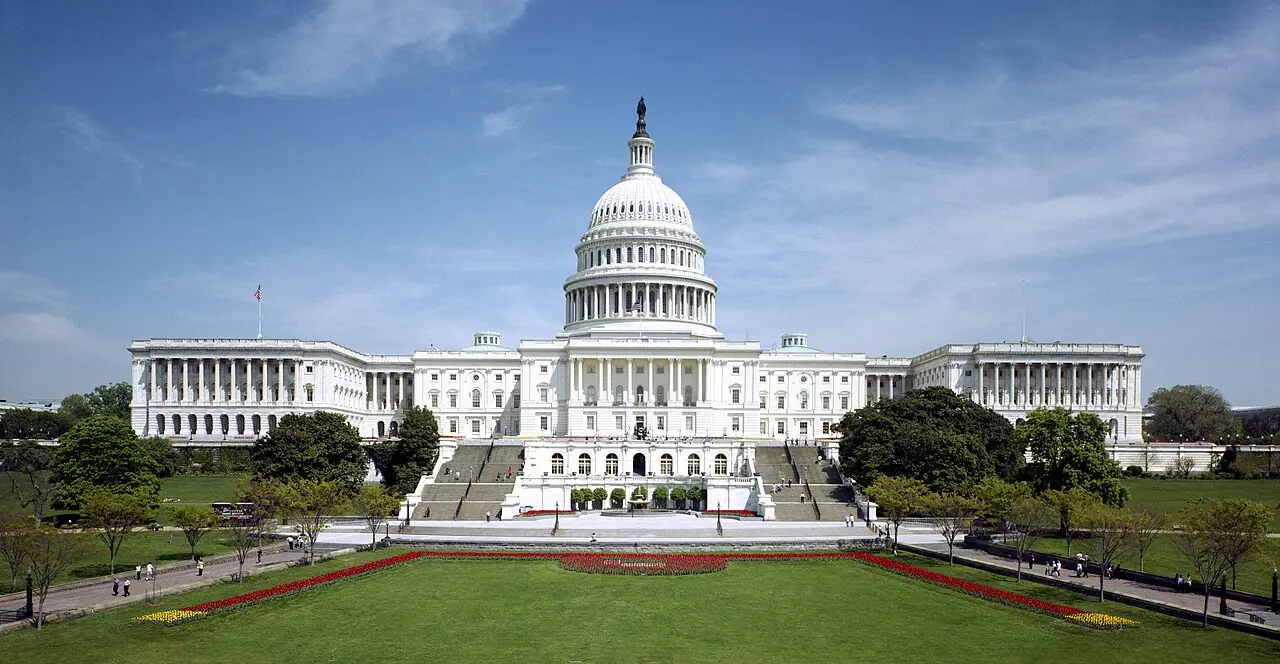
U.S. Border Patrol Chief Michael Banks announced his abrupt resignation on May 14, 2026, effective immediately. Banks, who had led the agency since the start of the current administration in January 2025, cited a desire to retire and spend time with family, though his departure comes at a moment of significant internal volatility for the Department of Homeland Security (DHS).
His exit is the fourth major leadership change in the administration's immigration and border enforcement apparatus in just over two months. The resignation follows the firing of former Homeland Security Secretary Kristi Noem in March, the sidelined retirement of controversial commander Gregory Bovino, and the upcoming departure of Acting ICE Director Todd Lyons at the end of May.
A period of 'recalibration'
The leadership vacuum comes as the administration faces declining public support for its current immigration strategy. Internal memos suggest a 'recalibration' of mass deportation policies is underway, with some officials reportedly pushing for a shift toward more targeted enforcement rather than the broad crackdowns seen in 2025.
Banks' departure was framed by Customs and Border Protection (CBP) Commissioner Rodney Scott as a planned transition. In a statement, Scott thanked Banks for his service, claiming his tenure saw the transformation of the border 'from chaos to the most secure border ever recorded.' However, the timing of the resignation — following a series of reports in the Washington Examiner regarding past personal misconduct allegations — has led to speculation about the degree to which the decision was voluntary.
Leadership Turnover in 2026
The string of departures has raised concerns about operational continuity during a critical phase of the administration's second year. Analysts point to a widening rift between hardliners in the White House and agency heads over the execution of executive orders.
| Official | Role | Status | Date |
|---|---|---|---|
| Kristi Noem | Homeland Security Secretary | Fired | March 2026 |
| Gregory Bovino | Border Patrol Commander | Retired | March 2026 |
| Michael Banks | Border Patrol Chief | Resigned | May 2026 |
| Todd Lyons | Acting ICE Director | Stepping Down | May 31, 2026 |
David Venturella is scheduled to replace Lyons as the head of Immigration and Customs Enforcement, but no permanent successor for Banks has been named. For now, the agency will be led on an interim basis by a deputy chief while a formal search is conducted.
Operational impact
The Border Patrol is currently managing a significant reorganization of its field operations. Staffing shortages in several sectors, particularly in the Rio Grande Valley and Del Rio, have complicated the rollout of new surveillance technology. Critics of the administration argue that the 'drift' in leadership is exacerbating these logistical challenges.
Advocates for more restrictive immigration policies have expressed dismay at the exits. 'We are seeing the most effective enforcers being pushed out or leaving out of frustration,' said one former DHS official who spoke on the condition of anonymity. 'The institutional knowledge being lost in this window is irreplaceable.'
Internal Morale and Field Operations
The leadership turnover is reportedly taking a toll on field agents, who have faced nearly two years of shifting directives and intense public scrutiny. Sources within the National Border Patrol Council (NBPC) suggest that while rank-and-file agents largely supported the administration's initial hardline stance, the 'recalibration' strategy has introduced a level of bureaucratic friction that is slowing down processing times and field deployments.
The lack of a permanent chief means that many critical decisions regarding equipment procurement and sector-level staffing remain in limbo. For example, a planned rollout of high-altitude surveillance balloons in the Arizona desert has been deferred indefinitely while the interim leadership reviews the budgetary implications. This 'operational paralysis,' as one critic called it, is being monitored by congressional oversight committees as a potential risk to national security.
Future Strategy and the White House
The White House is expected to announce a nominee for the DHS Secretary position in the coming days, which may provide more clarity on the future direction of the Border Patrol. Until a permanent chief is installed, the agency is expected to continue its current posture, though field agents have reported a lack of clear directives regarding the new 'recalibration' strategy.
The Senate Homeland Security Committee has already signaled it will hold hearings to investigate the cause of the high turnover rates within the department, focusing on whether political pressure is impacting enforcement operations. Lawmakers are particularly interested in the circumstances surrounding the Washington Examiner report and whether the DHS was aware of the allegations against Banks before his appointment in 2025.
Beyond the immediate leadership crisis, the administration must also navigate the legal challenges being mounted against its latest border directives. Several states have filed lawsuits alleging that the 'recalibration' of deportation priorities violates federal law. This legal instability, coupled with the management vacuum at the top of the USBP, has created a sense of uncertainty that many officials fear will lead to further resignations in the middle-management tiers of the agency.
As the 2026 midterm elections approach, the handling of the border and the stability of its leadership will undoubtedly remain a central flashpoint in the national political debate.
Geography and themes
Related places and recurring themes for this story.
- United States
- Immigration
- Politics
Suggested reading
Other stories that pair well with this one—often from the same section or on overlapping themes.
Brookings-linked modelling puts U.S.-citizen kids touched by parental ICE detention near 145,000 since the surge
ProPublica’s unpacking of a May 2026 Brookings exercise walks through Census-informed imputation against ICE arrest streams—far above what federal forms capture when parents fear disclosing citizen children—while parallel academic trackers still document the detention-and-removal machinery in administrative data alone.
Barney Frank Dies at 86, LGBTQ Trailblazer
He came out in Congress in 1987, chaired Financial Services through the 2008 crash, and helped steer Dodd-Frank before retiring in 2013; his sister confirmed his death to NBC Boston.
Trump-Backed Gallrein Ousts Massie in Kentucky
Ed Gallrein, backed by Donald Trump, ousted libertarian-leaning Rep. Thomas Massie in Kentucky's May 19 GOP primary for the 4th District—the costliest House primary on record.
Wyden: DOJ May Halt Trump IRS Audits
Senate Finance Chair Ron Wyden warns reported Justice Department settlement language could halt IRS audits of older Trump-family returns; CNN, ABC, the Post, and CNBC describe overlapping terms tied to the tax-leak lawsuit.
House Democrats assail Trump’s IRS deal and $1.78 billion Anti-Weaponization Fund as a patronage slush lane
Jamie Raskin calls the vehicle unconstitutional; Pramila Jayapal says the president is exercising ‘open corruption’ in plain sight—while the Justice Department frames the payout as redress for weaponization and lawfare and points to older settlement precedents.
Thomas Massie news: Trump-backed Gallrein leads late KY-4 poll; Massie denies ‘hush money’ claim before primary
With Kentucky’s Republican primary for the 4th District set for 19 May 2026, a Quantus Insights survey of likely GOP voters put Ed Gallrein narrowly ahead of incumbent Thomas Massie while Axios-tracked ad spending blew past typical House races; Massie and Representative Victoria Spartz separately denied former aide Cynthia West’s election-week allegation of a $5,000 silence payment tied to a Spartz office dispute.
Chancellor Merz and President Trump hold 'reconciliatory' phone call after weeks of friction
The two leaders seek to move past a diplomatic rift over Iran and troop withdrawals, coordinating positions ahead of the NATO summit in Ankara.
Five key takeaways from President Trump's high-stakes China trip
From massive commodity purchases to the 'red lines' on technology, the Beijing summit of 2026 has reshaped the landscape of the world's most critical bilateral relationship.
Trump delays Iran strike after Gulf appeal
President Donald Trump said late on 18 May 2026 in Washington that he was postponing a U.S. military strike on Iran that had been scheduled for the following day after Qatar, Saudi Arabia, and the United Arab Emirates asked for time while diplomacy continued; he also told the armed forces to stay ready for a large-scale assault if talks fail.
Why America feels split—and why the world can’t agree on the United States
Census and World Bank population lines, Pew’s partisan and trust batteries, inequality in the World Bank Gini series, and Pew’s Spring 2024 global snapshot: one country’s domestic fracture sitting next to a median foreign public that still tilts favourable—just not everywhere.
Keep exploring
Browse the full archive or return to the front page.
Sources and external links
Sources and filings our editors consulted to verify this story. External links open in a new tab.