Section Politics
Senate ruling threatens ballroom funding in Republican budget bill
The parliamentarian told Republicans the East Wing security and ballroom tranche does not fit reconciliation rules as drafted. Leaders must redraft, drop the line, or build a bipartisan path—because losing the fast-track lane raises the vote bar on that money.
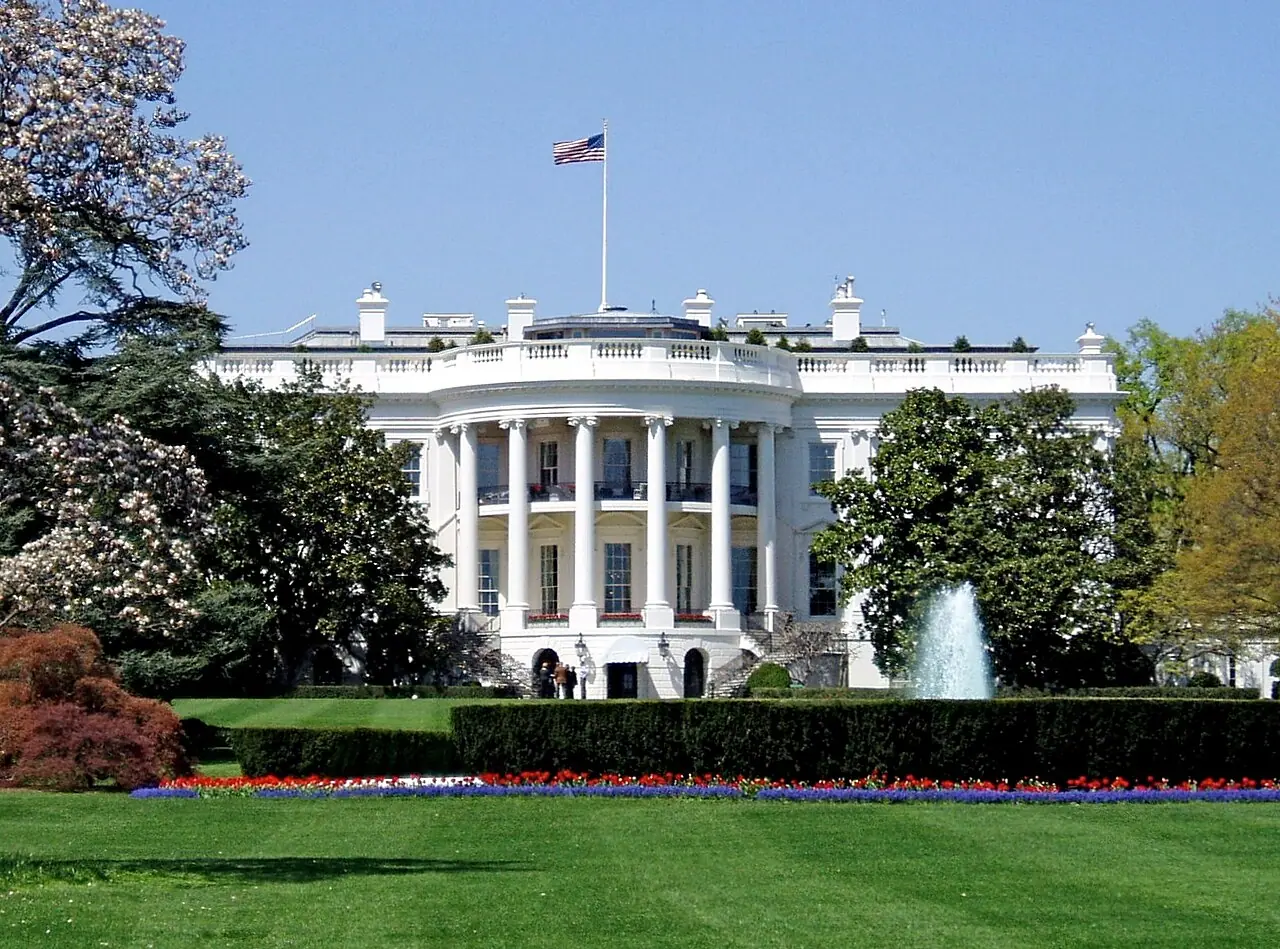
The Senate parliamentarian has advised Republicans that a large tranche of East Wing security and ballroom-related money in their reconciliation draft does not qualify for the chamber’s fast-track budget process as written. That is a procedural finding, not an order to halt construction. It still squeezes the cleanest legislative path for moving that pot alongside border and immigration enforcement dollars in one bill that can clear with about 51 Senate votes.
The parliamentarian is the chamber’s nonpartisan referee on Senate rules and the Budget Act tests that govern reconciliation. The office answers questions from both parties; its written advice tells the presiding officer whether specific language fits the narrow reconciliation window. Lawmakers can try to overturn a ruling, but the usual play is to negotiate new text with the parliamentarian’s staff until the bill matches the rules—or to drop the contested lines and move on.
Budget reconciliation lets certain tax-and-spending packages move with a simple majority in the Senate when they satisfy those tests, including committee jurisdiction: the policy in the bill is supposed to belong to the committee that reported the vehicle. When a provision is ruled out of order as drafted, floor managers must rewrite it, strip it, or accept the 60-vote cloture threshold that applies to ordinary legislation. Mid-May 2026 descriptions often placed the ballroom-related security line near $1 billion inside a wider enforcement package frequently summarized near $70 billion—both figures drift as draft language, Congressional Budget Office scores, and leadership trades change.
Why ballroom money sat inside a Judiciary reconciliation bill
Republican drafters bundled immigration enforcement money with Secret Service–style security work tied to a major East Wing modernization, including a very large ballroom component, inside a Judiciary Committee reconciliation vehicle. That choice reflects strategy as much as substance: reconciliation is a scarce legislative train—only a couple of bills per budget resolution, with tight deadlines—so leaders often load everything they hope to pass on a simple majority into the same moving package.
The parliamentarian’s reported objection is jurisdictional. Immigration enforcement, detention beds, and border technology clearly sit in Judiciary’s lane. A nine-figure capital project at the White House complex looks more like multi-committee business—security, appropriations, and facilities policy can all touch the same concrete pour. Reconciliation is built for narrow slices; when a block straddles committees, the referee can say it does not belong in this bill as written even if members believe the policy is wise.
If the ballroom block cannot be drafted back into compliance, that portion would lose reconciliation protection, so the hurdle on those dollars shifts from about 51 votes toward 60—a much harder bar for a package designed to avoid bipartisan cloture. Aides were already drafting alternatives before the guidance became public; the live question is whether substitute text satisfies the referee or leadership parks the dollars in another bill.
Supporters sell the East Wing line as hardening the executive residence against current threats. Critics use the headline figure as leverage inside a bill marketed chiefly for border security. Either way, procedure governs the whip sheet: each dollar line that falls outside reconciliation can force new offsets, side deals, or a lower advertised top line.
If the ballroom dollars leave this vehicle
Stripping or failing to cure the East Wing line does not erase the building idea; it changes which statute carries the cash. Outside reconciliation, the White House and Congress would typically look to annual appropriations, supplemental packages, or other authorizing vehicles—each with its own vote math, scoring fights, and veto leverage. That shift matters for timing: appropriations bills run on a fiscal-year calendar and often become hostage to unrelated disputes, so a capital line can slip quarters or years even when both parties agree it will happen eventually.
Immigration and border items in the same reconciliation draft can often move independently of the ballroom dispute if managers can surgically remove the contested section without collapsing unrelated pay-fors. The risk to the whole bill rises when drafters cannot easily separate intertwined offsets, or when losing one large line blows a hole in a delicately balanced score that budget rules require.
| Path | What it usually takes | Trade-off for leaders |
|---|---|---|
| Rewrite for the parliamentarian | New text that fits jurisdiction and budget tests | Time; may shrink the dollar figure or split it |
| Drop from reconciliation | Simple deletion in a manager’s amendment | Loses 51-vote path for that slice unless paired elsewhere |
| Chase 60 votes on a freestanding bill | Bipartisan negotiation, possible cloture votes | Slower; needs concessions moderates or Democrats demand |
| Move to appropriations later | Committee marks, amendments, omnibus timing | Calendar risk; subject to broader spending fights |
None of those rows guarantees an outcome; they are the standard Capitol chess moves after a parliamentarian flags a block.
What the next bill print will show
Watch for a disappeared section, a manager’s amendment that reassigns or narrows the ballroom security language, or a quiet hop of the money to a different bill number. If managers cannot produce language the parliamentarian will bless, expect noisier whip counts—or a pause while Republicans renegotiate among themselves before any roll call. When text stabilizes, compare the new CBO table to the old one: if the top line moves, odds are high that leaders traded dollars between buckets to keep the package inside reconciliation.
Geography and themes
Related places and recurring themes for this story.
- United States
- U.S. Congress
Suggested reading
Other stories that pair well with this one—often from the same section or on overlapping themes.
Barney Frank Dies at 86, LGBTQ Trailblazer
He came out in Congress in 1987, chaired Financial Services through the 2008 crash, and helped steer Dodd-Frank before retiring in 2013; his sister confirmed his death to NBC Boston.
Trump-Backed Gallrein Ousts Massie in Kentucky
Ed Gallrein, backed by Donald Trump, ousted libertarian-leaning Rep. Thomas Massie in Kentucky's May 19 GOP primary for the 4th District—the costliest House primary on record.
Wyden: DOJ May Halt Trump IRS Audits
Senate Finance Chair Ron Wyden warns reported Justice Department settlement language could halt IRS audits of older Trump-family returns; CNN, ABC, the Post, and CNBC describe overlapping terms tied to the tax-leak lawsuit.
Brookings-linked modelling puts U.S.-citizen kids touched by parental ICE detention near 145,000 since the surge
ProPublica’s unpacking of a May 2026 Brookings exercise walks through Census-informed imputation against ICE arrest streams—far above what federal forms capture when parents fear disclosing citizen children—while parallel academic trackers still document the detention-and-removal machinery in administrative data alone.
House Democrats assail Trump’s IRS deal and $1.78 billion Anti-Weaponization Fund as a patronage slush lane
Jamie Raskin calls the vehicle unconstitutional; Pramila Jayapal says the president is exercising ‘open corruption’ in plain sight—while the Justice Department frames the payout as redress for weaponization and lawfare and points to older settlement precedents.
Thousands rally in Alabama for Black voting rights as redistricting fight reaches Montgomery and Selma
Organizers billed the May 2026 “All Roads Lead to the South” weekend as a mass response to a fresh Supreme Court order that reopened Alabama’s congressional map fight—linking Selma’s bridge to the Capitol steps where the Voting Rights Movement once converged.
Trump withholds commitment on Taiwan arms after Xi warning as U.S.–China trade headlines land
President Donald Trump told reporters he would decide on a stalled roughly $14 billion arms package “over the next fairly short period,” after Xi Jinping warned mishandling Taiwan could bring the powers into conflict—while Washington and Taipei each insisted broader policy had not flipped overnight.
Trump approval sinks amid unpopular Iran conflict and darkening G.O.P. midterm signals
National surveys from late April 2026 put the president’s overall job rating in the mid-thirties, pair that rating with majority rejection of the Iran fight on forced-choice items, and—on one national survey—give Democrats a ten-point lead on the generic House ballot with higher reported enthusiasm.
Trump attacks Massie as Republican critic describes ‘desperate’ attempts to oust him from primary
With Kentucky’s 4th District Republican primary on Tuesday, President Donald Trump again blasted Representative Thomas Massie on social media while Massie—framing rival spending as an outside “buy” of the seat—said his opponents act “desperate” because he believes he leads in surveys.
Thomas Massie news: Trump-backed Gallrein leads late KY-4 poll; Massie denies ‘hush money’ claim before primary
With Kentucky’s Republican primary for the 4th District set for 19 May 2026, a Quantus Insights survey of likely GOP voters put Ed Gallrein narrowly ahead of incumbent Thomas Massie while Axios-tracked ad spending blew past typical House races; Massie and Representative Victoria Spartz separately denied former aide Cynthia West’s election-week allegation of a $5,000 silence payment tied to a Spartz office dispute.
Keep exploring
Browse the full archive or return to the front page.
Sources and external links
Sources and filings our editors consulted to verify this story. External links open in a new tab.