Section Politics
Trump attacks Massie as Republican critic describes ‘desperate’ attempts to oust him from primary
With Kentucky’s 4th District Republican primary on Tuesday, President Donald Trump again blasted Representative Thomas Massie on social media while Massie—framing rival spending as an outside “buy” of the seat—said his opponents act “desperate” because he believes he leads in surveys.
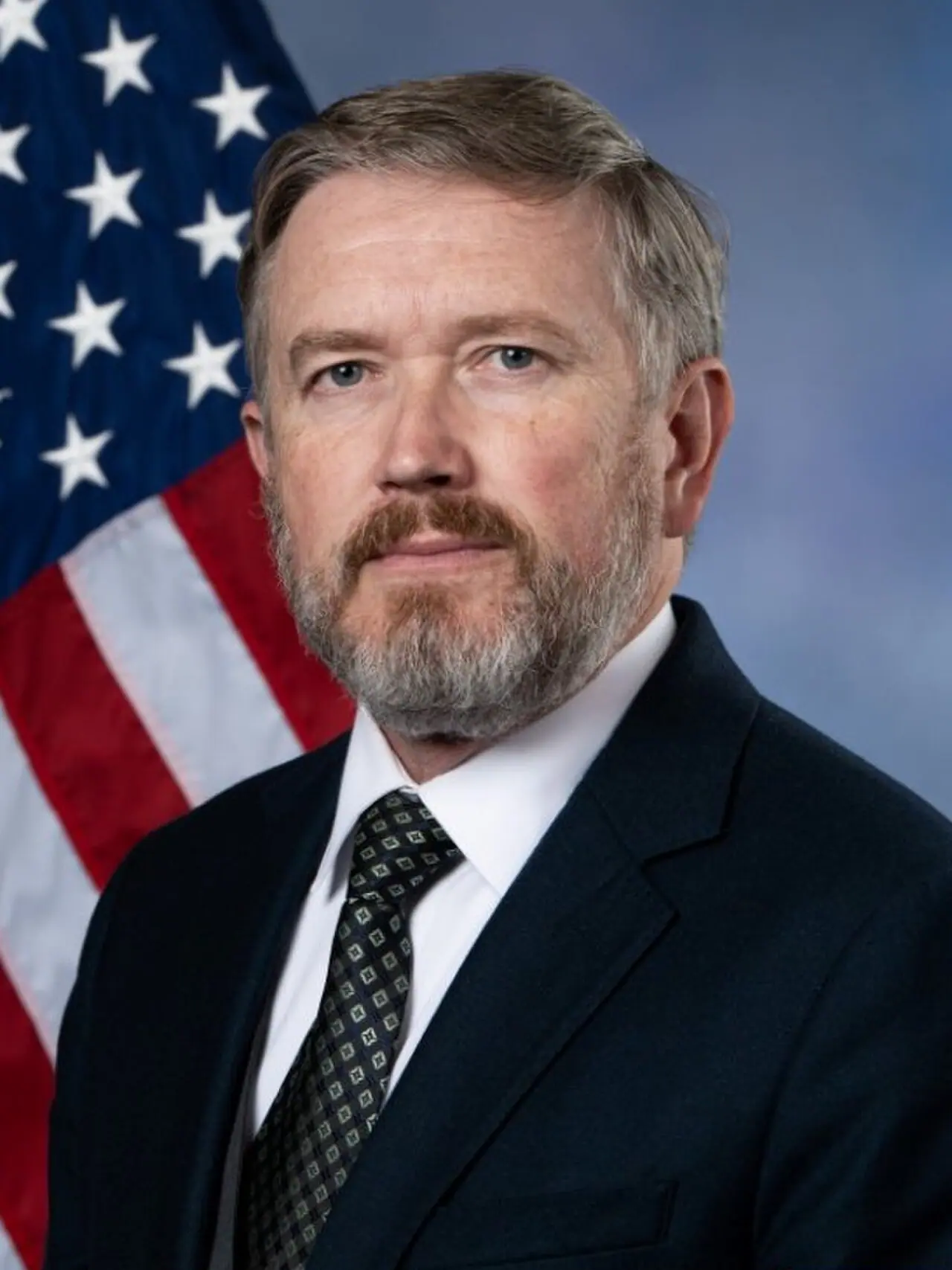
President Donald Trump and Representative Thomas Massie traded public blows on the eve of a high-dollar Kentucky Republican primary that national operatives are treating as another test of the president’s power to punish dissent inside his party.
Massie, a seven-term incumbent from Kentucky’s 4th District, faces Ed Gallrein—a former Navy SEAL and farmer Trump endorsed before Gallrein entered the race—in the May 19, 2026 Republican primary.
Trump posted on Truth Social on Sunday calling Massie “The Worst Republican Congressman in History,” faulting votes on taxes, border barriers, the military, and law enforcement and telling Kentucky voters to “vote the bum out on Tuesday.”
Massie answered the same day in a television interview by arguing that record-breaking outside money shows rivals are trying to “buy a seat” and said his opponents are “desperate” because, in his telling, surveys put him ahead.
Outside money, policy breaks, and Massie’s counter-frame
Massie told interviewers that three billionaires from outside Kentucky had “funneled millions of dollars” into the primary and that the contest had become “the most expensive race in the history of Congress for a primary” by that measure.
He linked the spending to major GOP donors and pro-Israel organizations he named, casting the fight partly as a referendum on foreign-policy influence in congressional races. Those organizations did not immediately comment in the same reporting chain that carried Massie’s remarks.
On policy, Massie has broken with Trump on debt-heavy domestic packages, co-led bipartisan pressure to release Justice Department material on the late sex offender Jeffrey Epstein, and sponsored a war-powers measure aimed at reining in strikes on Iran—votes and causes Trump and aligned groups have highlighted in attack messaging.
Hebron rally reprised the personal stakes
The tone did not spring from a single weekend. On March 11, 2026, Trump appeared at a logistics facility in Hebron, in Massie’s Northern Kentucky base, with Gallrein at his side.
At that rally Trump called Massie a “total disaster” as a congressman, compared him unfavorably to Senator Rand Paul, and told supporters Massie was “disloyal to the Republican Party,” “disloyal to the people of Kentucky,” and “disloyal to the United States of America.” Gallrein told the crowd voters deserved “an authentic, true Republican conservative” aligned with the president.
Massie had told local reporters beforehand that he expected to be a target of the speech. He has previously won primaries by wide margins even when Trump criticized him, though this cycle’s spending and the president’s personal investment have pushed the race into unfamiliar cost territory for a House contest.
AdImpact tallies cited by congressional reporters put combined television and related spending in the contest above $32 million—an unusually large sum for a House intraparty fight.
Northern Kentucky turnout and the safe-red November backdrop
Turnout across Cincinnati-facing suburbs and rural counties will determine whether Massie’s libertarian-leaning brand still outweighs a rival running almost entirely on loyalty to Trump.
Neither camp’s internal polling is public in full; Massie’s claim that he leads rests on surveys his campaign has referenced in media appearances, while independent trackers have shown a volatile race.
The district is safely Republican in November, so Tuesday’s result effectively picks the next member for most general-election purposes.
Unofficial and official returns in Boone, Kenton, and Campbell counties typically post first on election night; the secretary of state’s office then follows the canvass and certification calendar Kentucky law sets for primaries.
Geography and themes
Related places and recurring themes for this story.
- United States
- U.S. politics
- Donald Trump
- 2026 midterms
Suggested reading
Other stories that pair well with this one—often from the same section or on overlapping themes.
Trump approval sinks amid unpopular Iran conflict and darkening G.O.P. midterm signals
National surveys from late April 2026 put the president’s overall job rating in the mid-thirties, pair that rating with majority rejection of the Iran fight on forced-choice items, and—on one national survey—give Democrats a ten-point lead on the generic House ballot with higher reported enthusiasm.
Trump-Backed Gallrein Ousts Massie in Kentucky
Ed Gallrein, backed by Donald Trump, ousted libertarian-leaning Rep. Thomas Massie in Kentucky's May 19 GOP primary for the 4th District—the costliest House primary on record.
House Democrats assail Trump’s IRS deal and $1.78 billion Anti-Weaponization Fund as a patronage slush lane
Jamie Raskin calls the vehicle unconstitutional; Pramila Jayapal says the president is exercising ‘open corruption’ in plain sight—while the Justice Department frames the payout as redress for weaponization and lawfare and points to older settlement precedents.
Thousands rally in Alabama for Black voting rights as redistricting fight reaches Montgomery and Selma
Organizers billed the May 2026 “All Roads Lead to the South” weekend as a mass response to a fresh Supreme Court order that reopened Alabama’s congressional map fight—linking Selma’s bridge to the Capitol steps where the Voting Rights Movement once converged.
Trump withholds commitment on Taiwan arms after Xi warning as U.S.–China trade headlines land
President Donald Trump told reporters he would decide on a stalled roughly $14 billion arms package “over the next fairly short period,” after Xi Jinping warned mishandling Taiwan could bring the powers into conflict—while Washington and Taipei each insisted broader policy had not flipped overnight.
FBI jet and luxury suite: Kash Patel under scrutiny over Philadelphia concert trip
Published accounts tie a May 2025 Gulfstream hop to a George Strait bill at the Linc with partner Alexis Wilkins and a reported five-figure suite band. House Judiciary Democrats are demanding travel logs; executive policy still requires FBI directors to fly government metal but reimburse personal legs at coach rates.
Justice Department weighs settlement of Donald Trump’s IRS lawsuit
Senior officials are debating whether to resolve a multibillion-dollar federal court fight the Trump family and business brought against the Internal Revenue Service—an unusual prospect when the executive branch both runs the agency and answers for it in litigation.
Kevin Warsh and the Federal Reserve chair: where the nomination stands as Powell's term turns
President Donald Trump's formal nomination of Kevin Warsh has reached the Senate, but confirmation politics—and an unresolved criminal probe involving Jerome Powell—could delay a clean handoff.
Barney Frank Dies at 86, LGBTQ Trailblazer
He came out in Congress in 1987, chaired Financial Services through the 2008 crash, and helped steer Dodd-Frank before retiring in 2013; his sister confirmed his death to NBC Boston.
Wyden: DOJ May Halt Trump IRS Audits
Senate Finance Chair Ron Wyden warns reported Justice Department settlement language could halt IRS audits of older Trump-family returns; CNN, ABC, the Post, and CNBC describe overlapping terms tied to the tax-leak lawsuit.
Keep exploring
Browse the full archive or return to the front page.
Sources and external links
Sources and filings our editors consulted to verify this story. External links open in a new tab.
- Trump: Thomas Massie a ‘total disaster,’ vote for Gallrein (opens in a new tab)— Lexington Herald-Leader