Section Health
DR Congo Ebola surge: six Americans exposed, one symptomatic, as WHO declares international emergency
The eastern Ituri outbreak is tied to Bundibugyo virus disease—no approved vaccine or drug for that species; CBS-linked sources told the BBC six US citizens were exposed and one may have symptoms, while the CDC weighs safe withdrawal and tighter border screening.
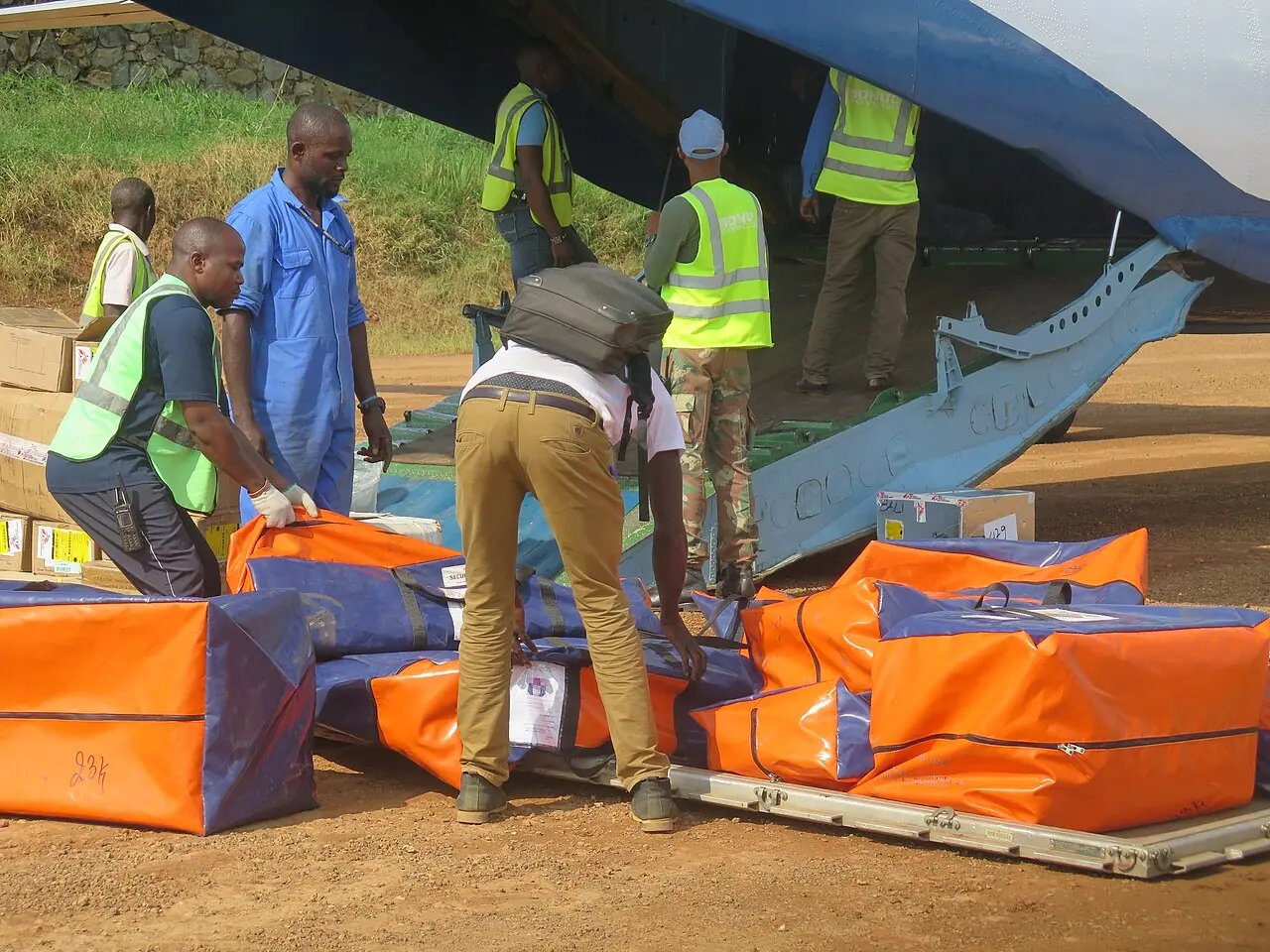
The World Health Organization has declared the Bundibugyo virus epidemic in the Democratic Republic of the Congo—with spillover signals in Uganda—a public health emergency of international concern. International newsrooms are pairing that designation with fast-moving tallies from African health leaders and with US contingency planning for citizens still inside outbreak zones.
Bundibugyo virus disease is clinically serious, but it is not the same as classic Zaire ebolavirus outbreaks that dominated headlines a decade ago. WHO stress-tests for cross-border risk and weaker treatment tools still justify the emergency label even when the pathogen differs from the strain many readers picture first.
Against that backdrop, CBS News sources described to the BBC (the corporations’ news partnership) a small cluster of US passport holders who may have been near suspected cases in DRC. The same reporting said one American was believed to have symptoms and that three faced high-risk exposure, while stressing it remained unclear whether anyone had a confirmed infection.
As of the BBC’s 18 May 2026 filing, US government spokespeople had not publicly matched the viral rumour pattern—“American doctor tests positive”—to any named patient, occupation, or laboratory result on the record. Editors should treat that exact social headline as unverified until a primary agency or hospital statement confirms it.
Outbreak scale and strain
What African and global tallies show
The BBC quoted Jean Kaseya, director general of the Africa Centres for Disease Control and Prevention, saying at least 100 deaths had been reported alongside more than 390 suspected cases in DRC as the emergency declaration unfolded. The same article noted two confirmed cases and one death in Uganda, citing the US Centers for Disease Control and Prevention.
Those numbers move quickly during surge investigations; they also mix suspected and confirmed lines that do not mean the same thing in epidemiology tables. Readers comparing dashboards should note which vintage each outlet is quoting.
Why Bundibugyo matters for treatment
The BBC and WHO disease-outbreak materials describe this wave as Bundibugyo virus disease—one of the orthoebolavirus species that can sicken humans. WHO has highlighted the strain when explaining why familiar ERVEBO-style tools built around Zaire ebolavirus may not apply one-for-one here.
That gap shapes both community risk communication—funeral practices and clinic infection control remain central—and donor decisions about which countermeasures to fund first.
US citizens, symptoms, and federal moves
Exposure counts as reported by partner newsrooms
The BBC attributed the six Americans exposed figure to CBS News sourcing; the story added that one person was believed to have symptoms and three had high-risk contact histories, while explicitly saying it was unclear whether any had been infected.
The Washington Post, citing two administration-side figures speaking anonymously, described a handful of possible exposures and at least one symptomatic traveller who might need medical evacuation. Anonymous planning leaks can move markets and family anxiety faster than lab data; they are still not a substitute for a signed patient bulletin.
CDC posture, withdrawal planning, and travel rules
The CDC has publicly framed itself as supporting the safe withdrawal of a small number of directly affected Americans while declining some on-the-record counts during weekend briefings, according to the BBC’s summary of US agency messaging.
Parallel reporting—BBC citing STAT—said officials were exploring onward movement to a US military base in Germany for quarantine, a detail not independently confirmed here. The CDC also flagged entry restrictions for some non-US passport holders with recent travel history in DRC, Uganda, or South Sudan, plus stepped-up passenger tracing and hospital readiness—signals that Washington expects the story to stay on the travel-medicine front page for weeks.
Policy and neighbourly response
WHO emergency criteria vs “pandemic” chatter
WHO leaders have called the situation a public health emergency of international concern while drawing a line against labelling it a pandemic in the COVID-19 sense. The agency has also warned detection may still be under-counting true chains of transmission near Ituri and across borders.
Rwanda and Nigeria were among neighbours publicly tightening screening or monitoring, per the BBC’s regional roundup—standard first-ring diplomacy when a haemorrhagic fever virus moves in busy border economies.
Honest limits on the “doctor” rumour
If you are editing off a push alert that an American doctor in Congo tested positive, pause until you see which lab ran which assay, which hospital authorised the release, and which US federal or DRC ministry channel confirmed it. Until then, the defensible publish line stays with exposure, symptoms, evacuation planning, and strain-specific treatment limits—exactly where BBC, Washington Post, and WHO sourcing stood in mid-May 2026.
Geography and themes
Related places and recurring themes for this story.
- Democratic Republic of the Congo
- United States
- Health
- World
Suggested reading
Other stories that pair well with this one—often from the same section or on overlapping themes.
Mayo Clinic validation work shows REDMOD AI spotting pancreatic cancer on CTs far ahead of usual reads
Decrypt’s April recap of the landmark study highlights up to a three-year lead in select cases; oncology trade write-ups of the same paper pin median detection near 475 days with 73% sensitivity versus roughly 39% for pooled radiologists on identical prediagnostic scans.
RFK Jr. news digest: HHS “MAHA” plan targets psychiatric overprescribing with deprescribing push
Health and Human Services Secretary Robert F. Kennedy Jr. used a May 2026 MAHA Institute summit to launch a cross-agency action plan—Dear Colleague guidance, CMS payment clarification for deprescribing, and a summer webinar stack—while major medical societies split between welcoming research dollars and warning that overmedicalization framing could underplay access gaps.
Havana leans on self-defense law while rejecting US drone-strike talk as intervention pretext
President Miguel Díaz-Canel framed military deterrence as a lawful shield, not a war wish, after US-facing outlets amplified an Axios-style tally of imported drones; Washington’s January national-emergency declaration on Cuba still frames the island as an extraordinary threat.
WHO declares Bundibugyo Ebola outbreak in DR Congo and Uganda a global health emergency
The Director-General classified Bundibugyo Ebola in the DRC and Uganda as a public health emergency of international concern—not a pandemic emergency—citing Ituri clusters, two Kampala-linked confirmations, and no licensed strain-specific vaccines or drugs; Congolese ministry data summarized by WHO had already passed early wire thresholds around 65 reported deaths before suspected-death rows reached 80 in mid-May snapshots.
Wales launches hantavirus monitoring for residents linked to cruise ship outbreak
Public Health Wales is supporting a 'small number' of individuals following a deadly cluster of infections aboard the MV Hondius expedition vessel.
Student dies as meningitis outbreak hits Home Counties colleges
Public health officials confirm three cases of meningococcal disease across Oxfordshire and Berkshire as the UKHSA launches an urgent contact-tracing operation.
U.S. indicts Raúl Castro over 1996 plane shootdown
Federal prosecutors in Miami unsealed murder and conspiracy charges against the 94-year-old former Cuban leader for his alleged role in downing two civilian aircraft.
Barney Frank Dies at 86, LGBTQ Trailblazer
He came out in Congress in 1987, chaired Financial Services through the 2008 crash, and helped steer Dodd-Frank before retiring in 2013; his sister confirmed his death to NBC Boston.
Google CLI Links OpenClaw to Gmail Unsupported
Google's open-source Workspace CLI on GitHub links AI agents including OpenClaw to Gmail and Drive, but the company labels the project unsupported and warns workflows may break as APIs evolve.
Trump-Backed Gallrein Ousts Massie in Kentucky
Ed Gallrein, backed by Donald Trump, ousted libertarian-leaning Rep. Thomas Massie in Kentucky's May 19 GOP primary for the 4th District—the costliest House primary on record.
Keep exploring
Browse the full archive or return to the front page.
Sources and external links
Sources and filings our editors consulted to verify this story. External links open in a new tab.