Section Health
Wales launches hantavirus monitoring for residents linked to cruise ship outbreak
Public Health Wales is supporting a 'small number' of individuals following a deadly cluster of infections aboard the MV Hondius expedition vessel.
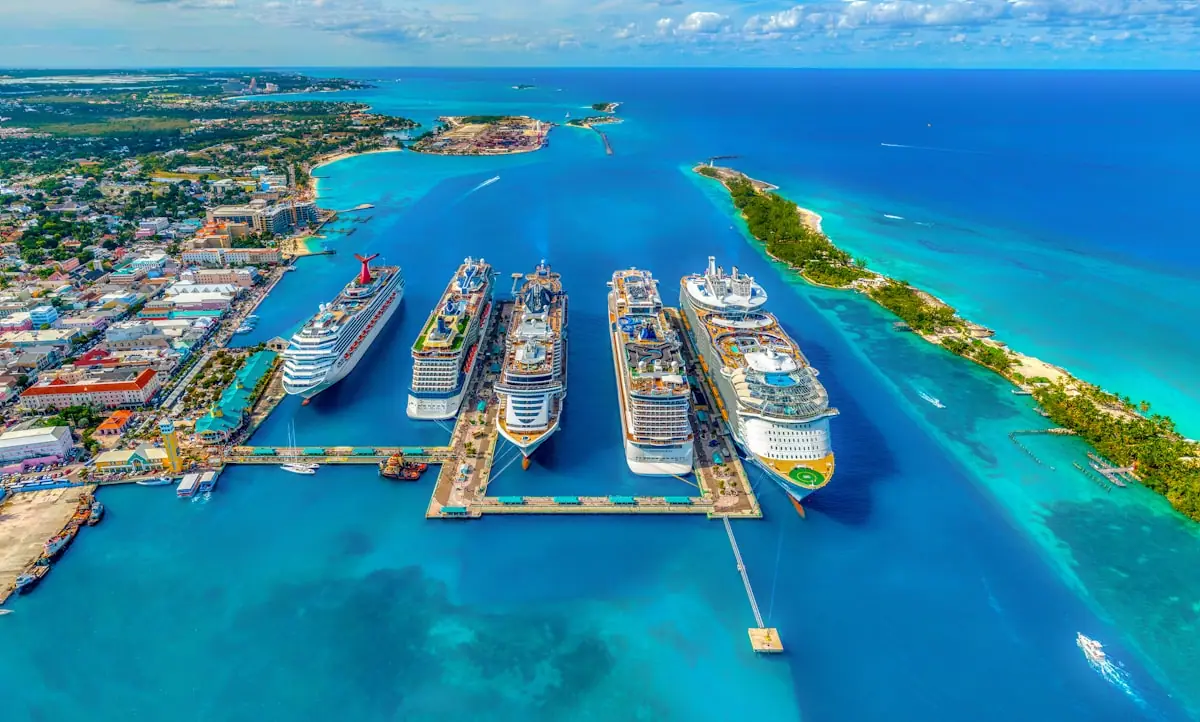
Public Health Wales (PHW) confirmed on May 15, 2026, that it is closely monitoring a 'small number' of Welsh residents who may have been exposed to hantavirus during a recent voyage on the cruise ship MV Hondius. While there are currently no confirmed cases of the virus within Wales, the individuals are undergoing a mandatory period of self-isolation and daily medical evaluations as part of an international containment effort.
The monitoring follows an outbreak on the MV Hondius, an ice-strengthened expedition vessel popular for polar voyages, which has been linked to 11 confirmed cases and three deaths among international passengers. Health authorities have emphasized that the measures in Wales are 'strictly precautionary' and that the risk to the wider public remains exceptionally low.
The MV Hondius Cluster
The outbreak is believed to have originated during a recent itinerary involving the MV Hondius, though the exact source of the virus on the vessel is still under investigation by international maritime health authorities. Hantaviruses are typically transmitted to humans through contact with the waste of infected rodents, though certain rare strains found in South America have shown limited potential for person-to-person transmission.
Of the 11 passengers confirmed to have contracted the virus globally, three have succumbed to Hantavirus Pulmonary Syndrome (HPS), a severe respiratory condition characterized by fluid accumulation in the lungs. The Welsh residents currently under monitoring are reported to be 'well and asymptomatic' at this time.
Precautionary Protocols in Wales
Public Health Wales, in coordination with the UK Health Security Agency (UKHSA), has implemented a rigorous monitoring framework for those identified as close contacts of the international cases. This includes:
- Daily health assessments: Residents must report their temperature and any respiratory symptoms to health officials every 24 hours.
- Regular testing: Scheduled diagnostic checks to detect early signs of the viral genome.
- Self-isolation: A 21-day period of restricted movement, reflecting the upper limit of the virus's incubation period.
'We are working closely with the Welsh Government and our partners across the UK to ensure that these individuals are supported and that any potential symptoms are identified immediately,' said a spokesperson for PHW. 'The rapid international response to the MV Hondius cluster has allowed us to act with a high degree of precision.'
Understanding Hantavirus
Hantaviruses are a family of viruses spread mainly by rodents. While most common in rural areas of the Americas and parts of Eurasia, they are rare in the United Kingdom. The virus is not spread through everyday social contact such as shaking hands, hugging, or sitting near someone in a public space.
Transmission and Symptoms:
- Primary Route: Inhalation of aerosolized viral particles from rodent droppings, urine, or saliva.
- Early Symptoms: Fever, severe muscle aches (especially in the thighs, hips, and back), fatigue, and dizziness.
- Late Symptoms: Occurring 4-10 days after the initial phase, these include coughing and shortness of breath as the lungs fill with fluid.
The specific strain involved in the cruise ship outbreak is being analyzed at specialized biosafety laboratories to determine its lineage and whether any environmental factors on the ship contributed to the transmission pattern.
The Global Perspective
The MV Hondius outbreak has triggered a multi-national investigation involving health agencies from the United States, Argentina, and several European nations. The ship, operated by Oceanwide Expeditions, is known for its 'eco-conscious' voyages to remote regions, and investigators are looking into whether any shore excursions or food supplies may have introduced the pathogen.
| Status | International Count | Wales Count |
|---|---|---|
| Confirmed Cases | 11 | 0 |
| Deaths | 3 | 0 |
| Under Monitoring | ~45 | 'Small number' |
Oceanwide Expeditions has stated it is 'fully cooperating' with health authorities and has implemented a deep-cleaning protocol for the vessel. Future voyages of the MV Hondius have been suspended pending the conclusion of the investigation.
Risk Assessment for Wales
Public health experts have reiterated that the situation in Wales is a containment exercise rather than an active outbreak. 'The risk of community transmission is effectively zero,' said Dr. Ewan Cameron, an infectious disease specialist.
'The virus requires very specific conditions for transmission, and the protocols being followed by the PHW are designed to break the chain of infection before it can even begin.'
Residents are advised that there is no need for any changes to their daily routines. PHW has requested that the privacy of the monitored individuals be respected during this time. Further updates will be provided should the status of any of the residents change, but authorities remain 'cautiously optimistic' that the period of monitoring will conclude without any confirmed cases in the country.
The incident highlights the ongoing challenges of managing infectious diseases in a highly mobile global population, particularly within the specialized environments of cruise ships and expedition vessels.
Geography and themes
Related places and recurring themes for this story.
- United Kingdom
- Health
- Public Health
Suggested reading
Other stories that pair well with this one—often from the same section or on overlapping themes.
Student dies as meningitis outbreak hits Home Counties colleges
Public health officials confirm three cases of meningococcal disease across Oxfordshire and Berkshire as the UKHSA launches an urgent contact-tracing operation.
Mayo Clinic validation work shows REDMOD AI spotting pancreatic cancer on CTs far ahead of usual reads
Decrypt’s April recap of the landmark study highlights up to a three-year lead in select cases; oncology trade write-ups of the same paper pin median detection near 475 days with 73% sensitivity versus roughly 39% for pooled radiologists on identical prediagnostic scans.
DR Congo Ebola surge: six Americans exposed, one symptomatic, as WHO declares international emergency
The eastern Ituri outbreak is tied to Bundibugyo virus disease—no approved vaccine or drug for that species; CBS-linked sources told the BBC six US citizens were exposed and one may have symptoms, while the CDC weighs safe withdrawal and tighter border screening.
RFK Jr. news digest: HHS “MAHA” plan targets psychiatric overprescribing with deprescribing push
Health and Human Services Secretary Robert F. Kennedy Jr. used a May 2026 MAHA Institute summit to launch a cross-agency action plan—Dear Colleague guidance, CMS payment clarification for deprescribing, and a summer webinar stack—while major medical societies split between welcoming research dollars and warning that overmedicalization framing could underplay access gaps.
Cooper presses Gulf partners to reopen Hormuz routes farmers need for fertiliser
Britain’s foreign secretary has tied Iran’s disruption of the strait to fertiliser reaching African fields and wider prosperity, while parallel reporting documents urea spikes, stuck cargoes, and UN hunger modelling that treat the next planting cycles as the clock that matters.
Revolut rolls out a physical Dogecoin-branded card in the U.K. and wider EEA
The neobank’s first crypto-culture plastic works on Visa and Mastercard rails, pairs with Apple Pay and Google Pay in supporting setups, and leans on fiat balances even as the artwork leans on DOGE memes; Own The Doge licensing framed charity tie-ins in launch copy.
Burnham vows to ‘change Labour’ through Makerfield while Starmer digs in against a leadership timetable
The Greater Manchester mayor won National Executive Committee clearance to contest Josh Simons’s former seat, told interviewers he wants to “change Labour for the better,” and used a northern summit stage to cast the byelection as a renewal mandate—without yet filing the twenty-per-cent MP nominations a formal challenge requires.
Brussels Brexit veterans say a UK return would mean normal EU membership, not the old carve-outs
Georg Riekeles and Sandro Gozi, among others, describe warmth toward a future application but zero appetite to recreate bespoke opt-outs; the Commission stays on this week’s brief—July summit prep—not hypothetical accession terms.
UK firms freeze capex and hiring plans as Hormuz-linked costs bite mid-market balance sheets
A BDO snapshot of five hundred mid-market companies finds three in five shelving or cancelling investment while Brent-style crude holds above one hundred dollars; parallel CIPD work shows fifty-eight per cent of employers putting cost control ahead of expansion with redundancy risks ticking up.
IMF nudges up its 2026 UK growth call while flagging Hormuz and home-grown risks
Article IV staff now pencil about 1.0 per cent GDP growth for 2026 after a modest upward revision from April’s World Economic Outlook track, yet they still warn that a drawn-out Middle East conflict, volatile energy markets, and domestic hesitation could sap consumption and investment.
Keep exploring
Browse the full archive or return to the front page.
Sources and external links
Sources and filings our editors consulted to verify this story. External links open in a new tab.
- Public Health Wales — official agency site (opens in a new tab)— Public Health Wales