Section Politics
Starmer says he still wants to fight the next election and will not ‘walk away’ as Labour leadership pressure intensifies
Speaking while visiting small businesses in London on 18 May 2026, the prime minister acknowledged post–7 May losses in England, Wales, and Scotland, insisted his focus had drifted in the previous ten days, and ruled out publishing a resignation timetable tied to Andy Burnham’s Makerfield bye-election.
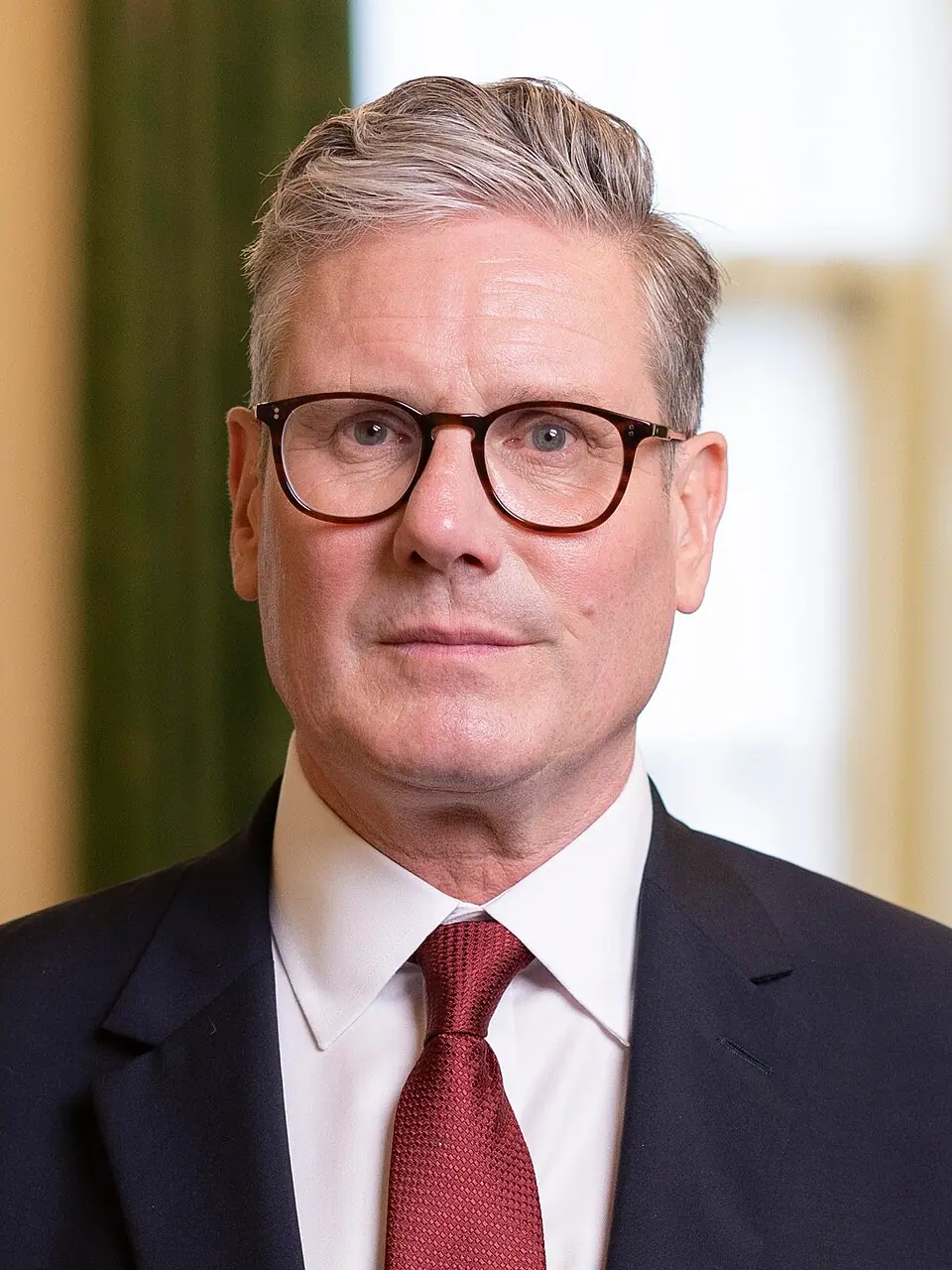
Prime Minister Keir Starmer used a London small-business visit on 18 May 2026 to insist he is not finished, telling reporters he still wants to lead Labour into the next United Kingdom general election and will not “walk away” from the job voters gave him.
“I do want to fight the next election. Obviously, I recognise that after the local election results, the elections in Wales and Scotland as well, that the first task is obviously turning things around and making sure that my focus is in the right place,” he said in exchanges carried across British and Irish broadcasters.
He added that “the last 10 days” had seen “a lot of activity, which hasn’t been as focused in my view as it should have been,” and said he reminded himself daily that he was elected to serve the country rather than manage internal party theatre.
The remarks land after Labour’s heavy 7 May local-election losses, which reporting from the same news cycle summarises as prompting calls for his departure from nearly a quarter of Labour MPs—enough to rattle bond markets and reopen questions about fiscal credibility even before any formal leadership ballot exists.
Deputy Leader David Lammy told Sky News there would be “no timetable for departure,” adding that he had spoken to the prime minister twice the previous day. Starmer separately ruled out publishing a resignation timetable conditioned on Greater Manchester mayor Andy Burnham winning the Makerfield bye-election that Burnham hopes will return him to Westminster.
Rivals keep parallel tracks warm
Burnham used a Leeds summit appearance the same weekend to argue a vote for him in Makerfield would be “a vote to change Labour,” promising affordability, devolved investment, and reindustrialisation while conceding past party offers had “simply not been good enough.” He insisted there was a long-term case on Europe but said he was not campaigning on rejoining the European Union in that seat.
Wes Streeting, who resigned from the health brief the previous week, said on Saturday he would stand in any formal leadership contest that opens. Reporting in the same bulletin cycle notes Streeting foregrounding closer future ties with the EU—a stance Culture Secretary Lisa Nandy publicly called “odd” because it recentres rejoin arguments while Burnham is trying to win a leave-leaning constituency.
What would have to happen for a ballot
Labour’s rulebook, as summarised in the reporting reviewed here, would require one MP to collect nominations from 81 colleagues—about twenty per cent of the parliamentary Labour Party—before a challenge moves from chatter to a scheduled vote. Until that paperwork exists, Starmer’s Monday posture is best read as an effort to freeze the story on his terms while rivals audition for who owns the renewal message if the threshold is ever crossed.
A final complicating note from the same weekend’s broadcast round: Nandy also told the BBC that staying on would be “a very personal decision” for Starmer—language that sits uneasily beside Lammy’s flatter “no timetable” line and leaves whips’ offices to explain which sentence is operative when markets ask.
Geography and themes
Related places and recurring themes for this story.
Suggested reading
Other stories that pair well with this one—often from the same section or on overlapping themes.
Burnham vows to ‘change Labour’ through Makerfield while Starmer digs in against a leadership timetable
The Greater Manchester mayor won National Executive Committee clearance to contest Josh Simons’s former seat, told interviewers he wants to “change Labour for the better,” and used a northern summit stage to cast the byelection as a renewal mandate—without yet filing the twenty-per-cent MP nominations a formal challenge requires.
Tens of thousands join Tommy Robinson’s ‘Unite the Kingdom’ march to Parliament Square as London polices rival rallies
On Saturday 16 May 2026, Stephen Yaxley-Lennon, the activist widely known as Tommy Robinson, drew a large crowd to central London for the Unite the Kingdom demonstration while the Metropolitan Police ran one of its biggest recent public-order operations to keep it apart from a same-day Nakba Day march; the force estimated roughly 60,000 at Robinson’s event and said 31 people were arrested across the two protests, with senior officers warning prosecutors would pursue inflammatory chanting.
Wes Streeting resigns as Health Secretary, citing Starmer's 'lack of vision'
In a blistering resignation letter, Streeting warns of a 'vacuum' at the heart of government following Labour's heavy losses in the 2026 local elections.
Brussels Brexit veterans say a UK return would mean normal EU membership, not the old carve-outs
Georg Riekeles and Sandro Gozi, among others, describe warmth toward a future application but zero appetite to recreate bespoke opt-outs; the Commission stays on this week’s brief—July summit prep—not hypothetical accession terms.
Has Brexit really been a ‘catastrophic mistake’ for the UK?
The phrase is now political ammunition—most recently from a Labour leadership hopeful—but answering it honestly means separating rhetorical heat from official productivity modelling, from long-run polling regret, and from what voters will still tolerate if Westminster tries to reopen the 2016 choice.
The UK is edging closer to Europe again—without calling it rejoining
Think-tank and policy analysis of the post-2024 Labour reset describes a widening lattice of UK–EU agreements—defence industry access, sanitary and phytosanitary talks, youth and electricity files, and a path back into Erasmus+—all while ministers repeat manifesto red lines against the single market, customs union, and freedom of movement.
Barney Frank Dies at 86, LGBTQ Trailblazer
He came out in Congress in 1987, chaired Financial Services through the 2008 crash, and helped steer Dodd-Frank before retiring in 2013; his sister confirmed his death to NBC Boston.
Trump-Backed Gallrein Ousts Massie in Kentucky
Ed Gallrein, backed by Donald Trump, ousted libertarian-leaning Rep. Thomas Massie in Kentucky's May 19 GOP primary for the 4th District—the costliest House primary on record.
Wyden: DOJ May Halt Trump IRS Audits
Senate Finance Chair Ron Wyden warns reported Justice Department settlement language could halt IRS audits of older Trump-family returns; CNN, ABC, the Post, and CNBC describe overlapping terms tied to the tax-leak lawsuit.
Brookings-linked modelling puts U.S.-citizen kids touched by parental ICE detention near 145,000 since the surge
ProPublica’s unpacking of a May 2026 Brookings exercise walks through Census-informed imputation against ICE arrest streams—far above what federal forms capture when parents fear disclosing citizen children—while parallel academic trackers still document the detention-and-removal machinery in administrative data alone.
Keep exploring
Browse the full archive or return to the front page.
Sources and external links
Sources and filings our editors consulted to verify this story. External links open in a new tab.